Neighbourhoods
West Toronto
I've lived in the west end for 25 years, so these are my streets. Old brick houses, busy little main streets, a huge park and the lake, with the subway running right through it all.
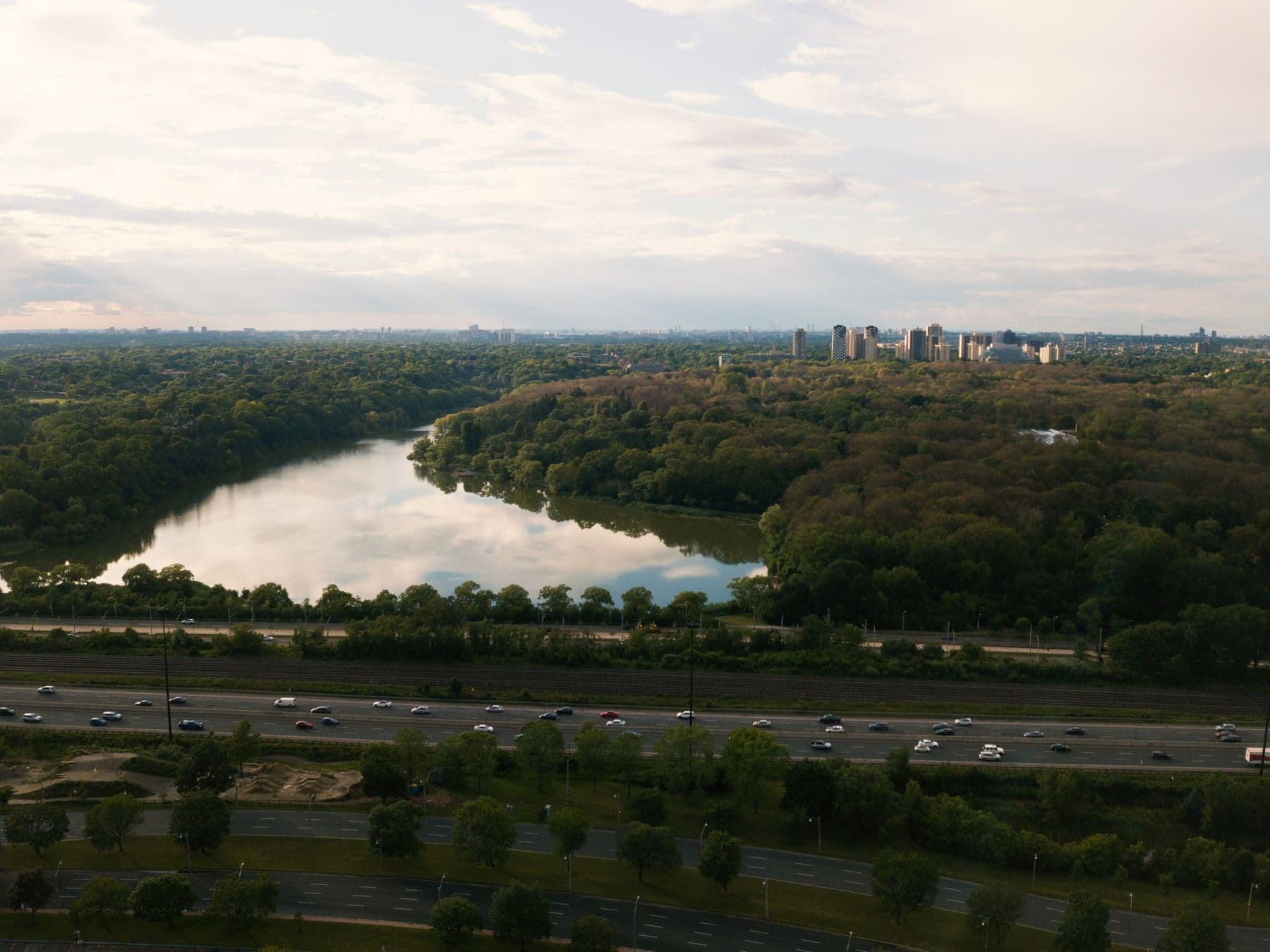
- High Park, the largest park entirely within Toronto
- Line 2 subway stations all along Bloor Street
- Main streets on Bloor West, Roncesvalles and Dundas West
- Lake Ontario and the waterfront trail to the south
- Victorian and Edwardian homes on tree-lined streets
West Toronto is the part of the city I know best. I've lived in the west end for 25 years, and I still love showing people around it. It isn't one neighbourhood. It's a string of small ones, each with its own main street and its own personality.
What people love
Most people fall for the walkability. You can live on a quiet residential street and be five or ten minutes on foot from a bakery, a coffee shop, a hardware store and a subway station.
- Bloor West Village is a classic Toronto shopping strip along Bloor Street, with family streets on both sides.
- Roncesvalles has its own village feel and a long Polish heritage, with cafés and restaurants up and down the avenue.
- The Junction, around Dundas Street West and Keele Street, grew up as a railway town and is now known for its restaurants, shops and breweries.
- High Park ties it all together: about 400 acres of trails, gardens, sports fields, Grenadier Pond and the cherry blossoms that draw crowds every spring.
The lake is close too. Sunnyside Park and the Martin Goodman Trail run along the shore south of High Park and Roncesvalles, and the Humber River valley marks the western edge with its own trails and parks. On a nice evening, half the neighbourhood seems to be out walking.
Getting around
- Subway: Line 2 Bloor-Danforth runs along Bloor Street, with stations including Lansdowne, Dundas West, Keele, High Park, Runnymede and Jane.
- GO and UP Express: Bloor GO station, a short walk from Dundas West station, is on the Kitchener GO line and the UP Express, which runs to Union Station downtown and Toronto Pearson airport.
- Streetcars: the 504 King runs up Roncesvalles Avenue to Dundas West station, and the 505 Dundas runs along Dundas Street West.
- Driving: the Gardiner Expressway and Lake Shore Boulevard run along the waterfront, heading downtown or west toward Etobicoke and the QEW.
Homes you'll find
This is older Toronto, and most of the housing shows it.
- Victorian and Edwardian homes, many of them semi-detached or in short rows, especially around Roncesvalles and the Junction.
- Solid brick detached and semi-detached houses from the early 1900s through the 1930s around High Park and Bloor West Village, many with front porches.
- Low-rise apartment buildings and newer condos along the main streets and close to the subway.
- Houses split into two or three units, which can suit buyers who want help with the mortgage from a rental suite.
Many of these homes have been renovated more than once, so a house's age tells you less than what's been done to it since. Older wiring, plumbing and foundations are worth a careful look, which is why I'd always want a good home inspection here.
Good to know
- Two land transfer taxes. West Toronto is inside the City of Toronto, so buyers pay the City's Municipal Land Transfer Tax on top of Ontario's. Plan for it in cash. Here's how land transfer tax works.
- Schools go by address. Use the Toronto District School Board and Toronto Catholic District School Board school locators for the exact address. Boundaries don't follow neighbourhood names.
- Heritage and trees. Some older homes and main-street buildings are on the City's heritage register, and removing a private tree 30 cm or more in diameter needs a City permit. If you're planning a big renovation or an addition, we check both before you buy.
If you're new to the area, my answer on west-end neighbourhoods for families is a good next read.
Explore West Toronto: High Park · Bloor West Village · Roncesvalles · The Junction