Neighbourhoods
Burlington
Burlington sits between Lake Ontario and the Niagara Escarpment, with a walkable downtown on the water, settled family neighbourhoods and real countryside to the north.
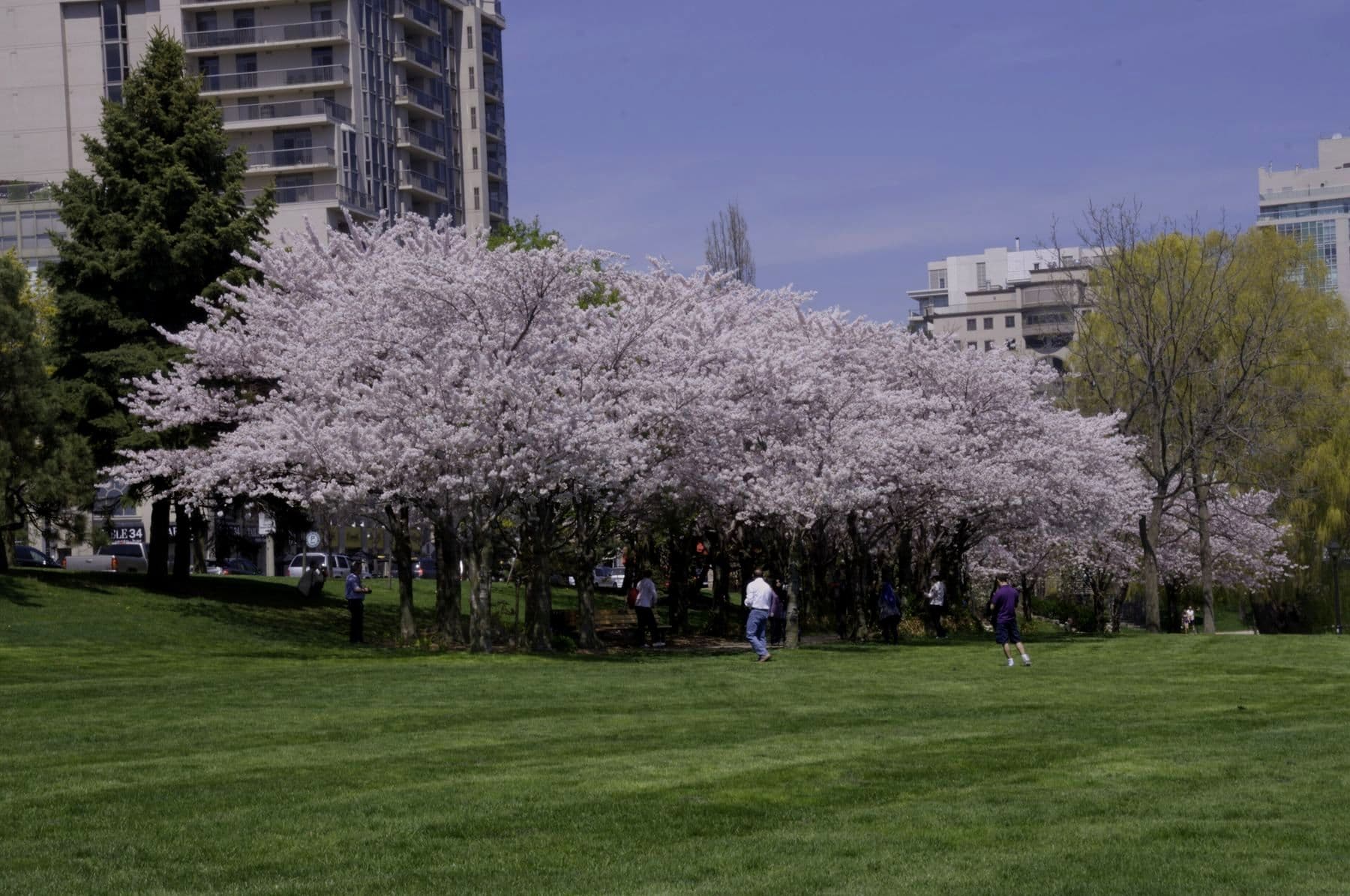
- Spencer Smith Park and the Brant Street Pier on the lake
- The Niagara Escarpment and Mount Nemo Conservation Area
- Royal Botanical Gardens, headquartered in Burlington
- Appleby, Burlington and Aldershot GO stations
- The QEW, Highway 403 and the 407 ETR
Burlington is the westernmost of the areas I cover, at the head of Lake Ontario between Oakville and Hamilton, in Halton Region. It packs a lot into one city: a lakefront downtown, quiet suburbs, and farmland and escarpment trails in the north.
What people love
- The lake. Downtown Burlington's waterfront is Spencer Smith Park, with a lakeside promenade and the Brant Street Pier, which reaches 137 metres out over the lake. The park hosts big summer events, including the Sound of Music Festival.
- The escarpment. North Burlington rises up the Niagara Escarpment. Mount Nemo Conservation Area, run by Conservation Halton, has cliff-edge trails, lookouts and a link to the Bruce Trail.
- Gardens and green space. The Royal Botanical Gardens, Canada's largest botanical garden, is headquartered in Burlington, with gardens and nature trails stretching toward Hamilton.
- A real downtown. Brant Street and the streets around it have shops, restaurants, cafés and the Burlington Performing Arts Centre.
For many buyers, Burlington offers a slower pace than Toronto while keeping the GO train and the highways close.
Getting around
- GO trains: Appleby, Burlington and Aldershot stations are on the Lakeshore West line, with trains to Union Station in Toronto and connections toward Hamilton.
- Local transit: Burlington Transit buses run across the city and to the GO stations.
- Driving: the QEW and Highway 403 run through Burlington, and the 407 ETR ends where it meets them, giving you quick routes toward Toronto, Hamilton and Niagara.
Homes you'll find
- Older homes from the early and mid 1900s near downtown and in neighbourhoods along the lake, like Roseland.
- Postwar bungalows, side-splits and back-splits from the 1950s and 1960s in many areas south of the QEW.
- Two-storey detached homes and townhouses from the 1970s onward in the neighbourhoods north of the QEW.
- Rural properties and estate homes in north Burlington.
- Condos and townhouses downtown and near the GO stations.
Neighbourhoods south of the QEW and north of it can feel quite different, from older streets near the lake to newer subdivisions further up. I'd suggest driving through both on a weekday evening and a Saturday before you decide which side suits your family. And whatever the era of the home, a home inspection tells you what you're really buying.
Good to know
- Ontario land transfer tax only. Burlington is outside the City of Toronto, so there's no Toronto land transfer tax. Here's how land transfer tax works.
- Schools go by address. Use the Halton District School Board and the Halton Catholic District School Board school locators for the exact address.
- Country properties have extra rules. Large parts of rural north Burlington are inside the Niagara Escarpment Plan area, where many kinds of building and land changes need a permit from the Niagara Escarpment Commission. If you're looking at a country property, we check what you can and can't build before you fall in love with it.
Explore Burlington: Downtown Burlington · Roseland